Legacy of Janjira State, Murud & Shrivardhan Ethno-Religious Archive
Historical Monograph & Repository

The Interlocking Transcontinental Lineages of the Janjira Mainland

An archival compilation analyzing the socio-political integration, hereditary civic offices, and maritime foundations of the Khatib family and overlapping coastal lineages.

Historical Fort of Murud
Visual Anchor: The Sea-Facing Estates of Fort of Janjira
Chapter I Historical Genesis

The Roots of the Konkani Muslim Identity

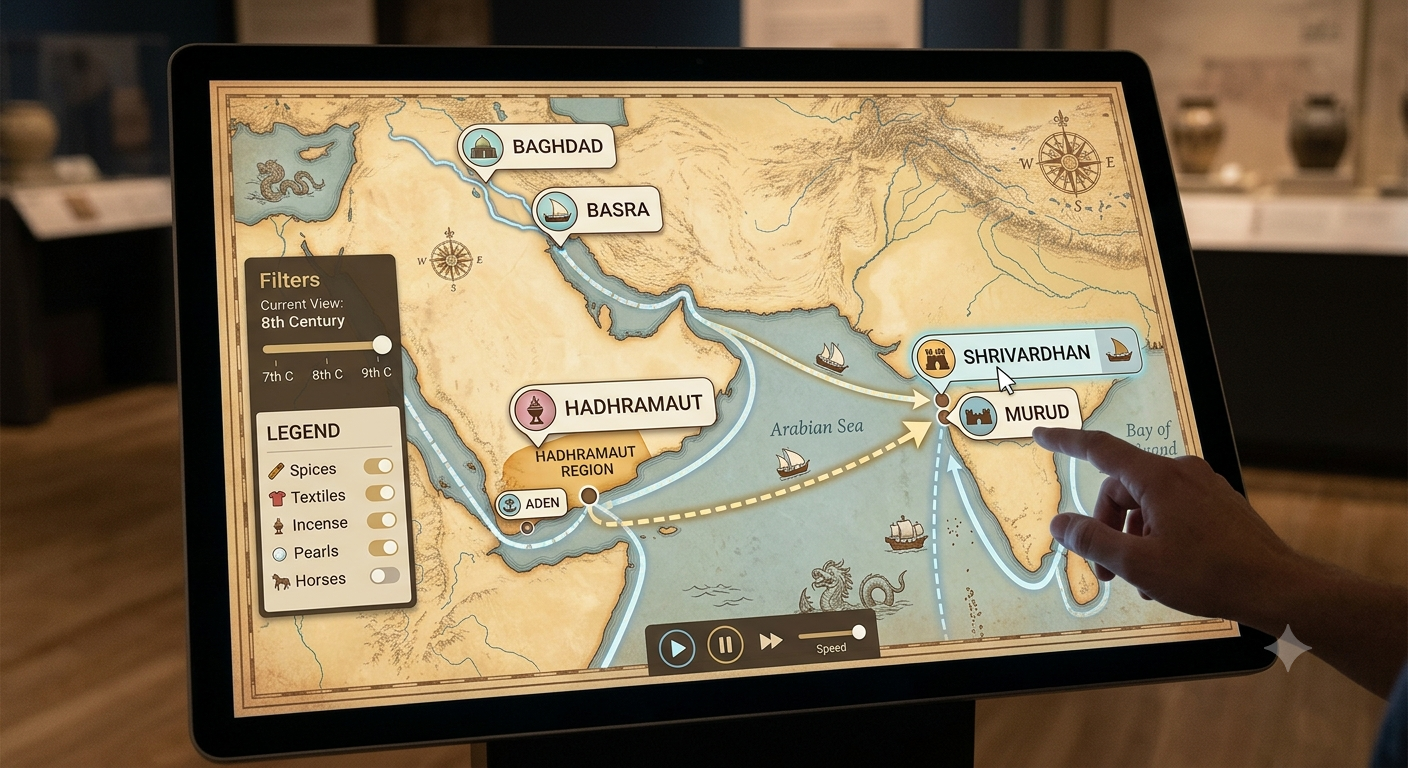
Konkani Muslims trace their roots back to the 7th through 10th centuries CE, making them one of the oldest Islamic communities in India. According to classical historical accounts, Arab traders and refugees first established permanent coastal settlements along the west coast of India in **699 CE**, less than seventy years after the death of the Prophet Muhammad.

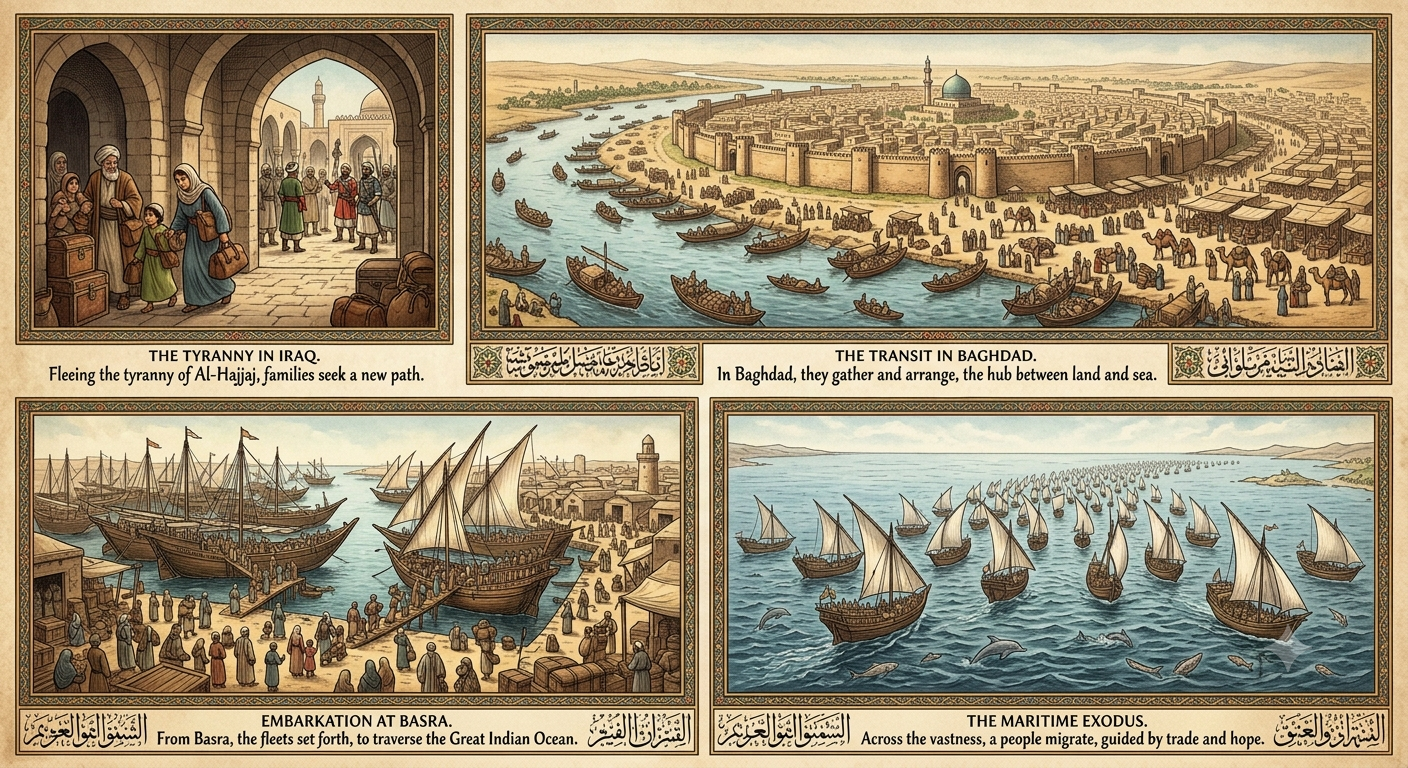
The foundational wave of migration consisted primarily of maritime Arab and Persian traders, navigators, and refugees—many belonging to the noble **Al-Nawayt (or Naitia) clan** fleeing political upheavals in Iraq and the Euphrates Valley—who sailed into ancient ports like Murud, Chaul, Dabhol, and Sopara. Over the centuries, these merchants integrated along the Konkan littorals, intermarrying with the local population to forge a highly distinct cultural synthesis.

Unlike the vast majority of South Asian Muslims who follow the Hanafi school of thought, Konkani Muslims strictly adhere to the **Shafi'i school of Sunni jurisprudence**, a direct cultural inheritance from their South Arabian and Iraqi ancestors.

Community Lineage Stratification

  • Jamatis: Directly descended from the original Arab-Persian maritime settlers, representing the traditional mercantile elite who typically engaged in commerce, administration, landownership, and religious leadership.
  • Mandlekars: Descended from historical cross-cultural unions between Konkani Muslim fathers and local Hindu mothers.
  • Daldis: A coastal subgroup historically associated with seafaring navigation and large-scale maritime fishing networks.
Ornate Islamic Archway Architecture
Syncretic Architectural Details of Early Shafi'i Centers
Chapter II

Spiritual Anchor: Hazrat Makhdoom Ali Mahimi

The legacy of *Sheikh Imam Allama Aladdin Ali bin Ahmad Al-Shafi'i Al-Mahimi Al-Kokani* (1372–1431 CE), the "Qutb-e-Kokan".

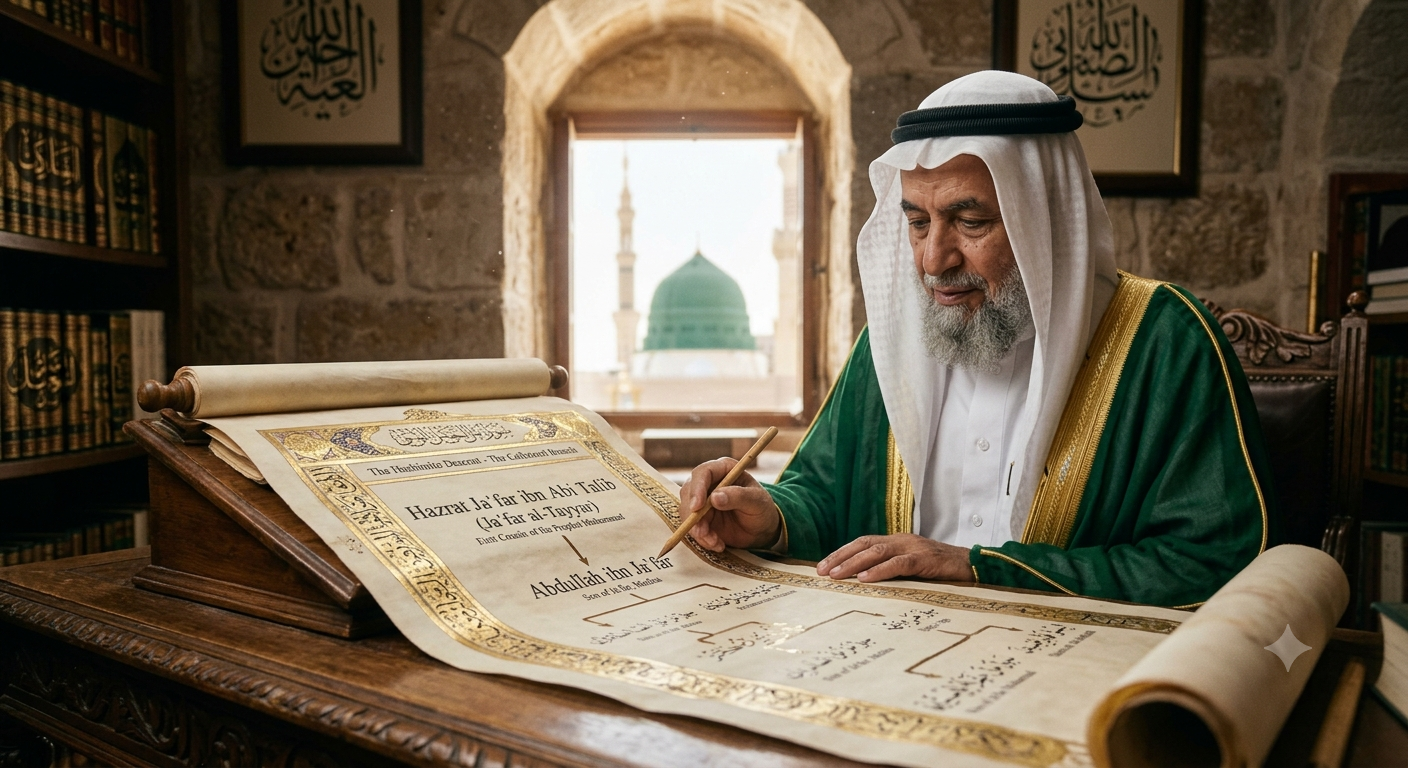
Born on the 10th of Muharram 776 AH (1372 CE) on the island of Mahim, he belonged to the noble **Nawayat tribe** tracing ancestry back to the Banu Hashim clan and Ja'far al-Tayyar (a cousin of the Prophet Muhammad). His ancestors fled the Hijaz in the 8th or 9th century to escape political oppression, settling along the coast as merchants and scholars.

Makhdoom Ali Mahimi was the **first scholar in the Indian subcontinent** to author a comprehensive, independent exegesis (commentary) of the Quran written entirely in Arabic, titled ***Tafsir al-Rahmani***. This work gained immense acclaim from historical Islamic revivalists like Shah Waliullah Dehlawi and remains preserved in global institutions like Al-Azhar University in Cairo and Umm al-Qura University in Makkah.

As his reputation for legal acumen grew, Sultan Ahmed Shah of the Gujarat Sultanate appointed Mahimi as the **Qazi (Head Muslim Judge and Cleric)** of Mahim. He balanced his mystical ascetic lifestyle with the civic duties of a supreme judge, ensuring justice across the thriving trade networks of the Deccan.

Chapter III The Sea Citadel Matrix

Connection to Murud & the Murud-Janjira Fort

Analyzing the spatial integration between the invincible sea stronghold and the civilian mainland.

Aerial view of the unconquered Murud-Janjira Sea Fort Citadel
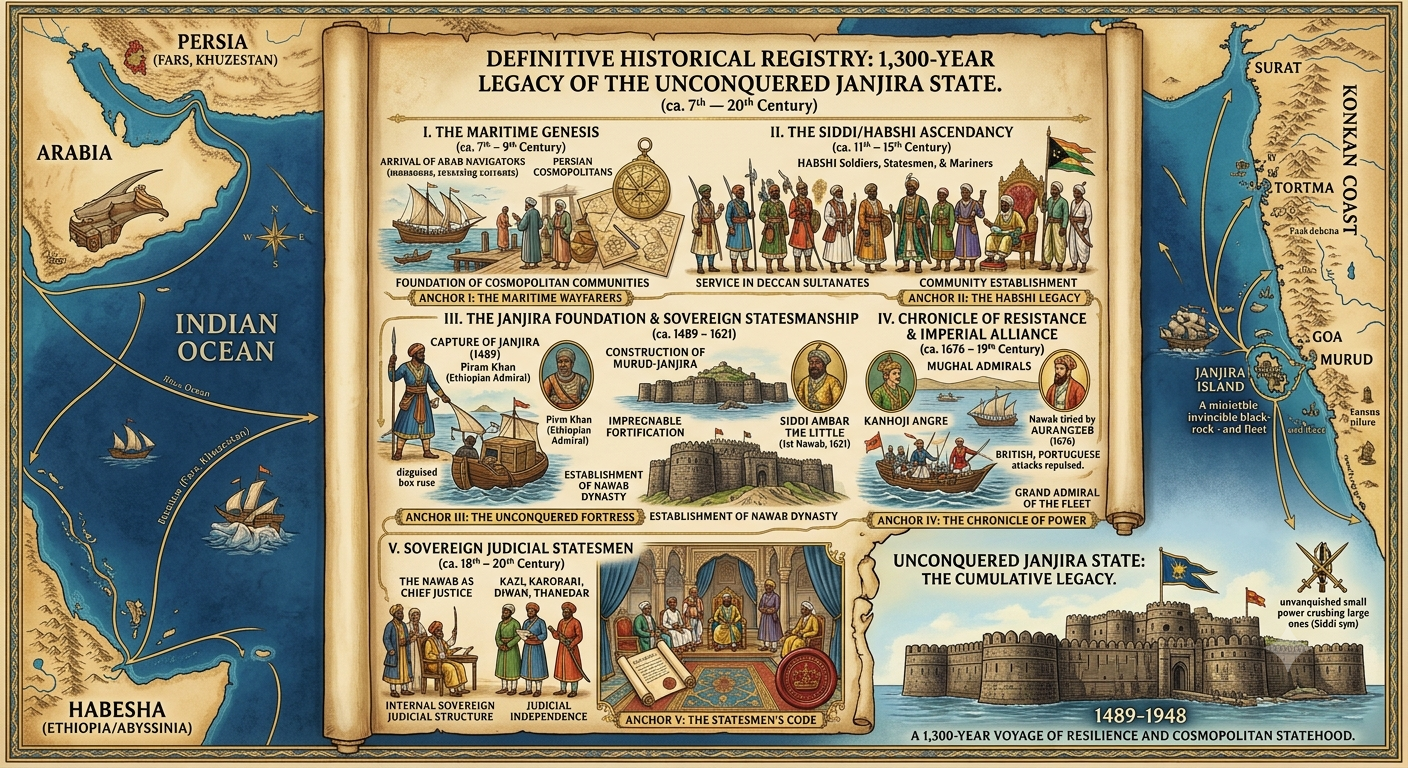
The Citadel Layout: The invincible offshore sea fortress managed militarily by the Abyssinian Siddi Dynasty, whose pulpits were spiritually governed by the Khatib family.

While the famous island fortress was militarily ruled by the African-descended **Siddi Dynasty (the Nawabs of Janjira)**, the surrounding mainland towns like Shrivardhan, Nandvi, Kolmandla, and Harnai were culturally, economically, and structurally driven by native Konkani Muslim families.

Because the Siddi navy successfully defended Janjira Fort against **13 separate siege attempts** by the Maratha Empire (including Chhatrapati Shivaji and Sambhaji), as well as attacks by the British and Portuguese, the region enjoyed rare stability. This allowed ancestral families to prosper for generations without their lands being repeatedly ravaged by war.

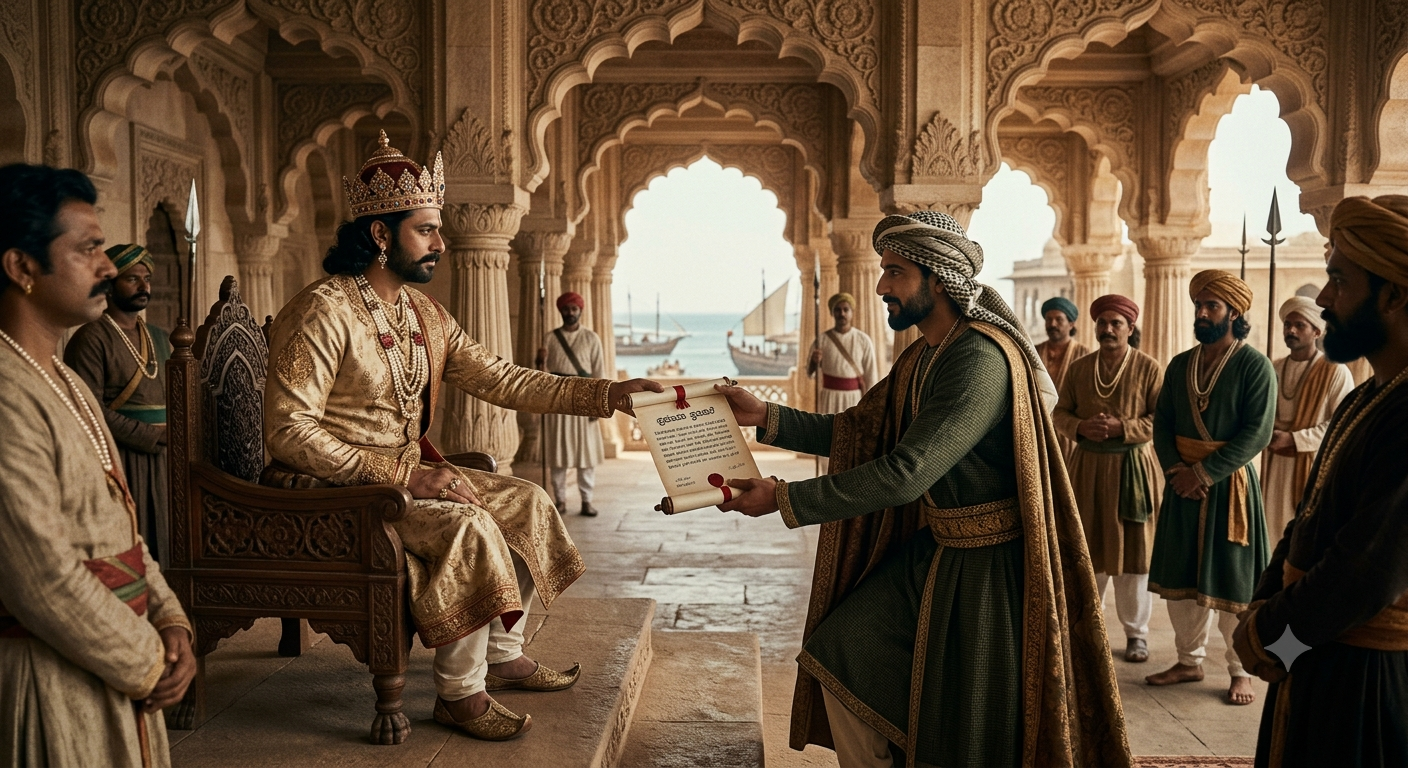
Strategic Alliances & Custodianship: In the late 17th century Mughal era, a strategic alliance was struck between the Mughal Empire and the Siddis to counter Maratha military pressure. Highlighting this peak of influence, a prominent Khatib of the imperial camp received custody of the Satara Fort, the title of *Sardeshmukh*, and a symbolic gold palm from Mughal Princess Zinat-un-Nisa, acting as a crucial diplomatic bridge.

The Court of the Siddi Nawabs

Nawab of Janjira and Nazli Begum Historical Portrait Nawab Sir Ahmad Khan & Nazli Begum
Sir Ahmed Khan Nawab of Janjira with Court Royal Family Group The Royal Family & Court Gentry

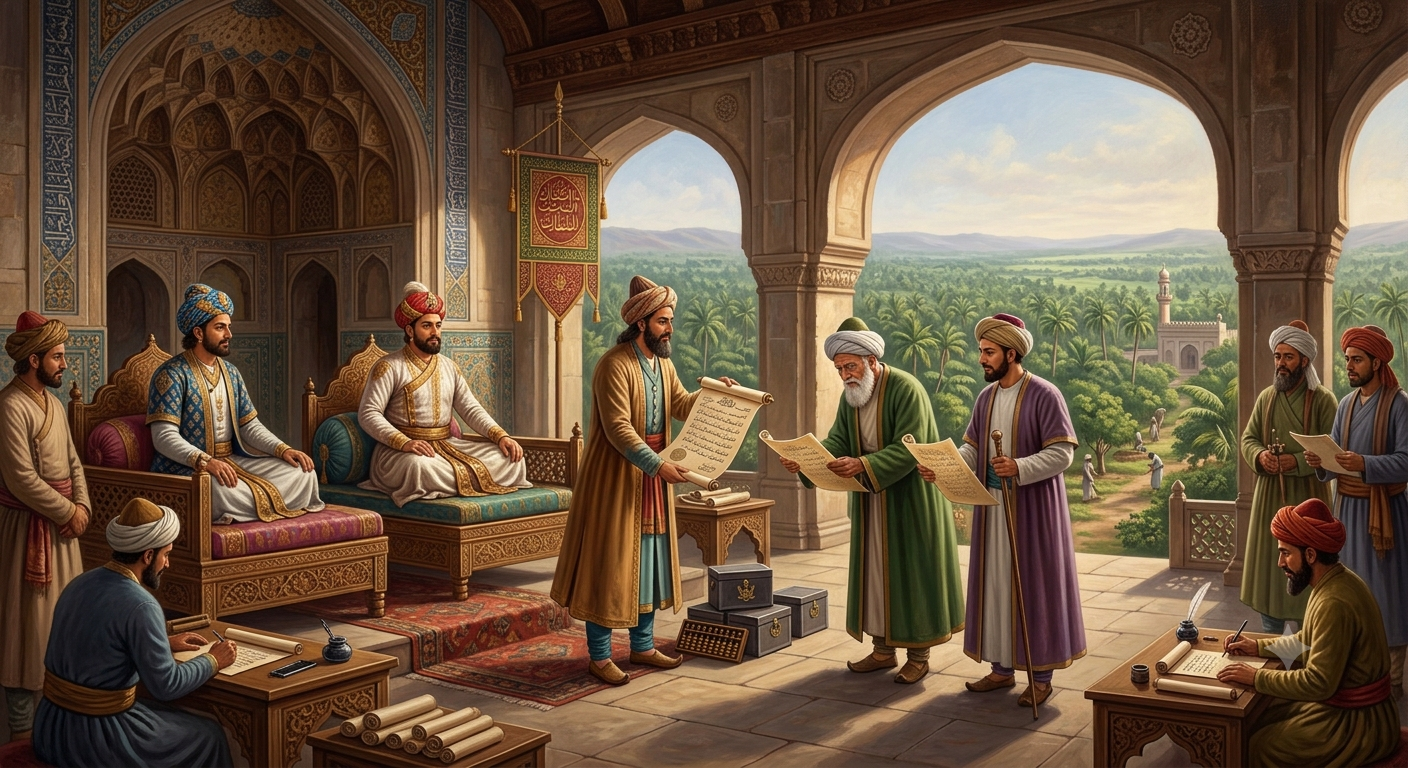
The close bond with the royal court is evidenced by extensive tax-free land grants (*inam*) and imperial charters (*sanads*) the Khatibs received directly from the Nawabs, making them elite landholders within the Janjira State hierarchy. Inside the 22-acre fortress, the Khatib family held the hereditary right to serve as the chief religious speakers and leaders of the fort's mosques.

Chapter IV

Decoding the Surnames & Marital Networks

Surnames within the traditional Konkani "Jamati" class evolved from specific occupational titles, official civic roles, or village locations.

Preachers & Orators

Khateeb / Khatib

An Arabic occupational title meaning "preacher" or "orator". The Khatib held the hereditary right to deliver the *Khutbah* (formal religious sermon) during Friday and Eid prayers. They acted as the official religious voices and advisor-elites co-governing local territories alongside Diwans and Kazis.

Role: Spiritual Voices
Judicial Backbone

Kazi / Kazi

The chief Islamic judges and magistrates who ran the courts of the Janjira State. They handled civil matters, complex property disputes, inheritance claims, and maritime trade laws according to the Shafi'i school of jurisprudence.

Role: Civil Judiciary
Legal Scholars

Faki / Fakih

Derived from the Arabic word *Faqih*, which translates to an Islamic jurist, legal expert, or scholar well-versed in jurisprudence (*fiqh*). They provided the legal scholars and theologians who interpreted Islamic law, ensuring that the administration of the Janjira Nawabs aligned with established traditions.

Role: Legal Consultants
Landed Merchants

Hurzuk & Palowkar

Highly specific, localized Konkani family names heavily documented in historical regional records (like the old British Bombay and Thana District Gazetteers). They typically represented the commercial, seafaring, and landowning backbone of the coastal villages.

Role: Economic Engine.
Regional Lineages

Lambe / Lambert

A deeply rooted family line originating from the coastal cluster of villages around Shrivardhan and Harnai. In diaspora spaces (such as the UK or South Africa), unique regional names like Lambe were occasionally adapted or recorded phonetically as "Lambert" due to colonial documentation biases.

Role: Coastal Seafarers.

The Jamati Marital Network

Because Konkani Jamati families took immense pride in their distinct heritage and Shafi'i traditions, they practiced a high degree of endogamy. For generations in villages like Harnai, Nandvi, Shrivardhan, and Tarla, these families intermarried exclusively to keep land, trade, titles, and influence within their social class.

Replicated subsequently across trans-oceanic migrations to South Africa.

Chapter V

Material Culture & Culinary Traditions

A highly sophisticated lifestyle where strict Islamic traditions elegantly intertwined with the rhythms of coastal Maharashtra.

Amatic green fennel seeds close up

The Fennel Seed Legacy

Unlike cream-heavy Mughlai food, the backbone of this cuisine is fresh coconut milk and scraped coconut paste. Konkani cooking uses a unique spice signature of turmeric, chillies, and **fennel seeds**—a direct cultural inheritance from ancestral Arab trade routes. Souring is achieved using local coastal **kokum** fruit skin.

Traditional white round steamed rice cakes called Sandan

Traditional Steamed Sandan

Shrivardhan elites relied entirely on rice rather than wheat. A signature dish is **Sandan**—thick, fluffy, steamed rice cakes fermented with coconut water or yeast. They can be consumed sweet with mango pulp or coconut milk kheer, or savory as a vehicle to scoop up spicy mutton gravies.

Hand rolled wheat pasta hoops called Saravle

Hand-Rolled Saravle Hoops

One of the most unique items in their culinary heritage is **Saravle**. These are tiny, ring-shaped pasta pieces painstakingly hand-rolled out of wheat dough. Cooked either savoury with mutton or chicken, or served sweet with eggs and sugar, *saravle* is traditionally included in a bride’s *rukhwat* (wedding gifts).

Collage of ancestral Wada interiors showing chandeliers and high ceilings Elite Wada Domestic Spaces & Salons
Victorian Gothic / Indo-Islamic Palace structure facade Ahmedganj Palace Style Elite Facades

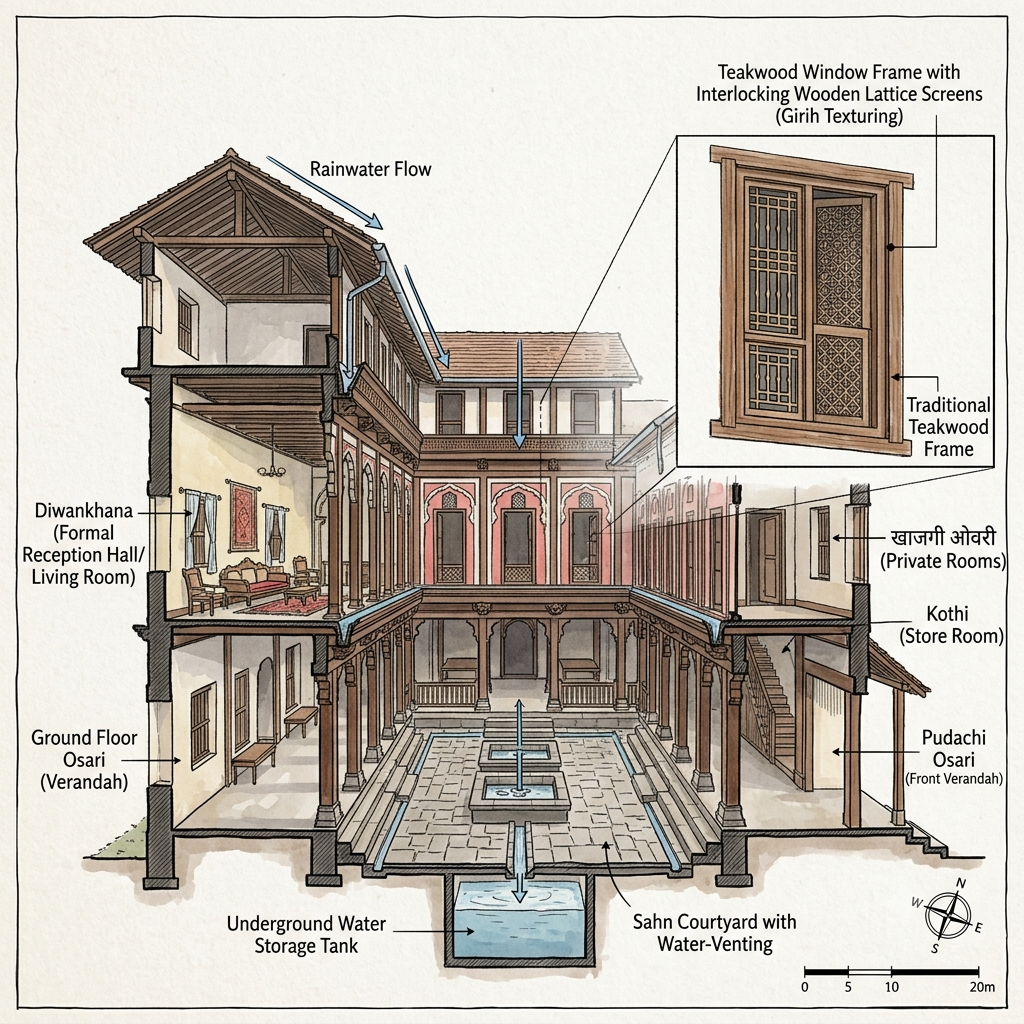
Wada Architecture & Interconnected Grid

In their historical coastal hometowns like Shrivardhan, Murud, and Harnai, the homes of prominent families featured a highly distinct layout designed around community closeness. Ancestral *Wadas* (mansions) were designed to handle the ferocious Konkan monsoons while accommodating their dual public-private lives. The ground floors typically contained a front reception verandah (*Ota*) where the patriarch met with merchants, sleeping quarters, and internal corridors fitted with traditional wooden swings (*hindlas*).

Most notably, the backyards (**wadas**) featured **interconnected doors communicating directly with neighboring houses**. This deliberate architectural design allowed women to walk freely down the entire length of a residential street to visit family and friends without ever stepping out into the public eye, beautifully preserving privacy while keeping the neighborhood intimately bonded.

The Shajrah Scrolls: Lineages were meticulously recorded on a *Shajrah*, a long scroll made of thick handmade paper or parchment written in court Persian or elegant old Urdu to protect hereditary *Inam* tax-free land titles granted by royal decree.
Chapter VI Socio-Economic Transition

The 1948 Shift & Modern Civic Foundations

The most dramatic turning point in the family's history came with the independence of India. On **March 8, 1948**, the final ruling Nawab signed the instrument of accession, officially dissolving the Janjira Princely State into the Indian Union.

Overnight, the newly formed Indian government implemented sweeping land ceiling acts, systematically breaking up and redistributing the historic tax-free *Khatibi Inams* that had funded the family for generations. Local courts were stripped of civic arbitration powers. Facing sudden economic displacement, the mid-20th-century patriarchs made a strategic choice, pivoting entirely toward **higher education** as their new global currency.

By the 1970s and 1980s, the sons and daughters of the Shrivardhan and Murud Khatib branches migrated away from the quiet coast toward the booming metropolis of Bombay and the Arab Gulf, transitioning from appointed feudal administrative positions to modern professional careers.

Kokan Unity Education Trust

Governed by prominent members of the regional Khatib family, managing the KUET International School in Goregaon (Raigad) to bring advanced STEM learning models to rural populations.

Khatib Eye Clinic Network

Founded in 1985 by Dr. Irfan Khatib, operating a key coastal healthcare branch at Agardanda (Murud Janjira) and urban centers in South Mumbai to support the community.

H K D & P Khatib Junior College

Located in Ravdhal (Lower Tudil), providing vital higher secondary education in science, arts, and commerce to hundreds of rural youth across the Raigad district.

Socio-Academic Scholarships

The Al-Khatib Foundation and the Seema Khatib Medley Pharma Scholarship provide targeted financial backing to meritorious students pursuing technical degrees in medicine and engineering.